#15 Ikwerre Street, Mile One, Port Harcourt

+234 803 449 4096+44 7391 189464

Service

Diagnostic, Imaging & Laboratory Services

Investigations that turn a symptom into an answer - laboratory medicine, ultrasound, digital X-ray and cross-sectional imaging including CT and MRI, with every result read back to you by a clinician rather than handed over as a sheet of numbers.

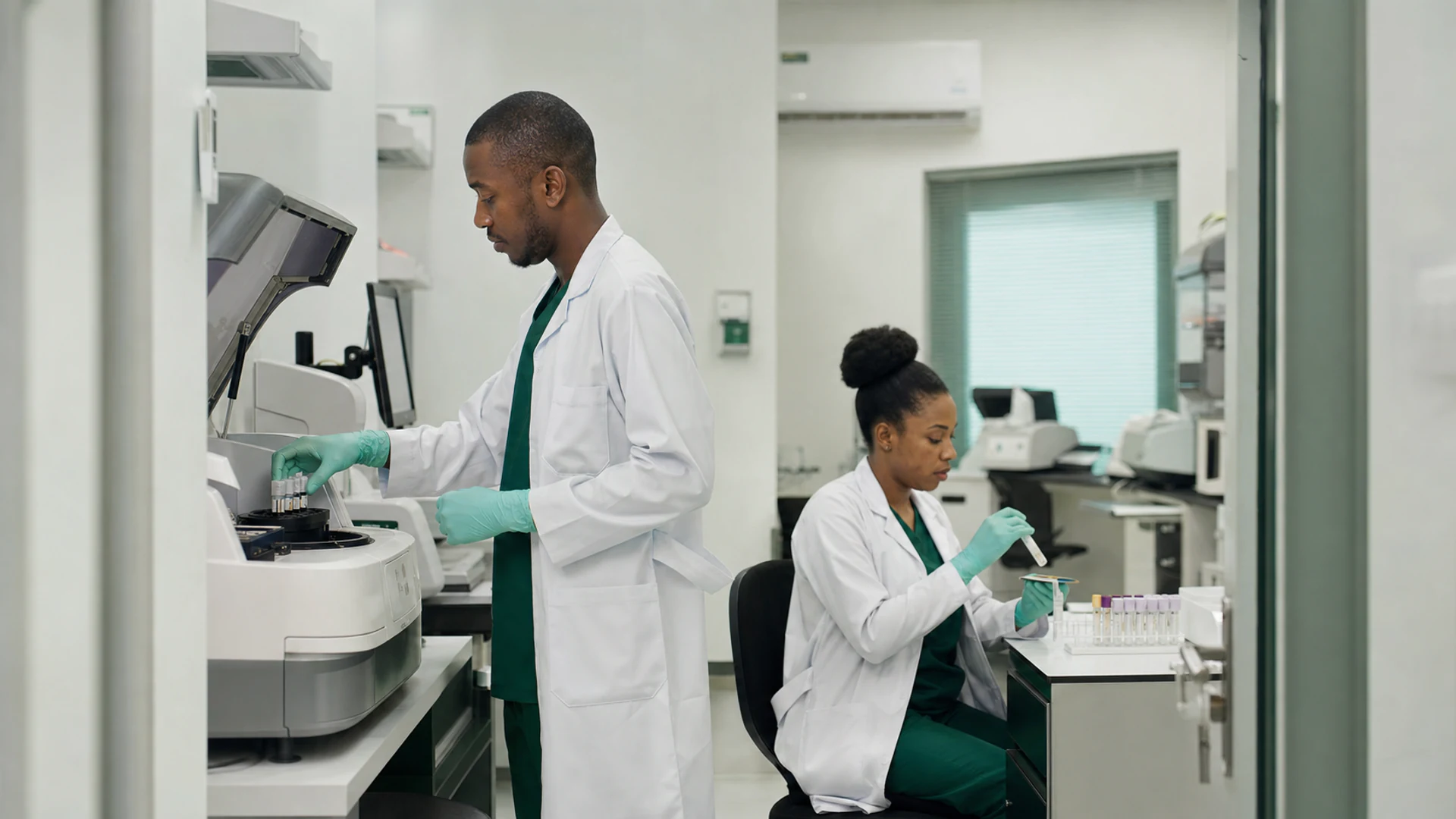
The Care & Cure Clinics diagnostic laboratory

Why it matters

Most bad outcomes start with a late answer

Treatment gets the attention, but diagnosis decides the result. A condition caught early is usually a smaller problem than the same condition caught after months of being treated as something else. That is why diagnostics is a service line here rather than a back room.

The structural decision that matters is keeping investigation and interpretation together. When a laboratory is a separate business, the patient becomes the courier — carrying results between people who never discuss them. Here the clinician who ordered the test is the one who reads it, in the context of the history they took themselves.

  • The clinician who ordered it reads it

    Investigations are requested by our own specialists and reported back by them. Nobody hands you a sheet of numbers and wishes you luck.

  • Acted on the same day where it matters

    An abnormal result that needs immediate action gets it, because the ordering clinician is in the same team and the same record.

  • Sample collection can come to you

    For housebound and post-operative patients, collection can be folded into a domiciliary care visit instead of a journey to the clinic.

What we investigate

Grouped by what you are trying to find out

Rather than by department - because patients arrive with a question, not a request form.

  • Routine laboratory work

    The everyday investigations that answer most clinical questions.

    • Full blood count and blood film
    • Blood sugar and HbA1c
    • Liver and kidney function
    • Lipid profile
    • Urinalysis and microscopy
    • Malaria parasite testing
  • Screening & wellness panels

    Structured checks for people who feel well and want to stay that way.

    • General wellness screening
    • Hypertension and diabetes risk
    • Pre-employment medicals
    • Pre-operative workup
    • Antenatal screening
    • Men's and women's health checks
  • Imaging

    Ultrasound, plain films and cross-sectional imaging, reported by a radiologist.

    • Ultrasound, including obstetric and pelvic
    • Digital X-ray
    • CT scanning with radiologist reporting
    • MRI scanning with radiologist reporting
    • ECG and cardiac investigation
    • Specialist histology and cytology

For specific specialised panels or questions regarding sample collection and turnaround times, contact our diagnostic laboratory team directly.

Cross-sectional imaging

CT and MRI, and which one you actually need

Patients are regularly told they need a scan without being told which one, or why. CT and MRI are not interchangeable: they answer different questions, and choosing the wrong one wastes both your money and your time.

  • A CT scanner in use with a radiographer at the console

    CT — computed tomography

    Fast, detailed, uses X-rays
    How it works
    A rotating X-ray tube builds a stack of cross-sectional images through the body, which the computer reconstructs into detailed slices in any plane.
    What it is best for
    Chest, abdomen and pelvis; bleeding, obstruction, stones, abscess and tumour; acute trauma; the acute abdomen; suspected stroke; and bone detail.
    What the scan is like
    You lie on a table that moves through a wide, open ring. The scan itself usually takes seconds to a couple of minutes. A contrast injection is sometimes given through a vein, which can feel warm briefly.
  • An MRI scanner with a radiographer preparing a patient

    MRI — magnetic resonance imaging

    No X-rays, best for soft tissue
    How it works
    A strong magnetic field and radio waves, with no ionising radiation at all. It distinguishes soft tissues far more finely than CT can.
    What it is best for
    Brain and spinal cord; spine and discs; joints, ligaments and cartilage; pelvic and gynaecological assessment; liver and biliary detail; and tumour staging.
    What the scan is like
    You lie inside a tube for anywhere from fifteen to forty-five minutes. It is noisy, so ear protection is provided, and you must keep still. Tell us beforehand about any pacemaker, implant, metal fragment or possible pregnancy.
A radiologist reporting CT and MRI images on a diagnostic workstation

A scan is only as good as the report

Every CT and MRI study is reported by a radiologist and then discussed with you by the clinician who requested it, against the history they took themselves. If you already hold images or a report from elsewhere, bring them — we would far rather read your existing scan than charge you for a repeat.

The path of a sample

From request to explanation

Five stages. The last one is the stage most often skipped elsewhere, and the one that decides whether the test was worth doing.

  1. 1

    Request

    From one of our consultations, from another clinician, or directly by you for a screening panel.

  2. 2

    Collection

    Samples taken at the clinic, or at home as part of a domiciliary visit.

  3. 3

    Analysis

    Processed by our laboratory team, or referred to a partner facility for specialist assays.

  4. 4

    Interpretation

    A clinician reviews the result against your history - not against a reference range alone.

  5. 5

    Explanation & action

    You are told what it means, what happens next, and it is written into your plan.

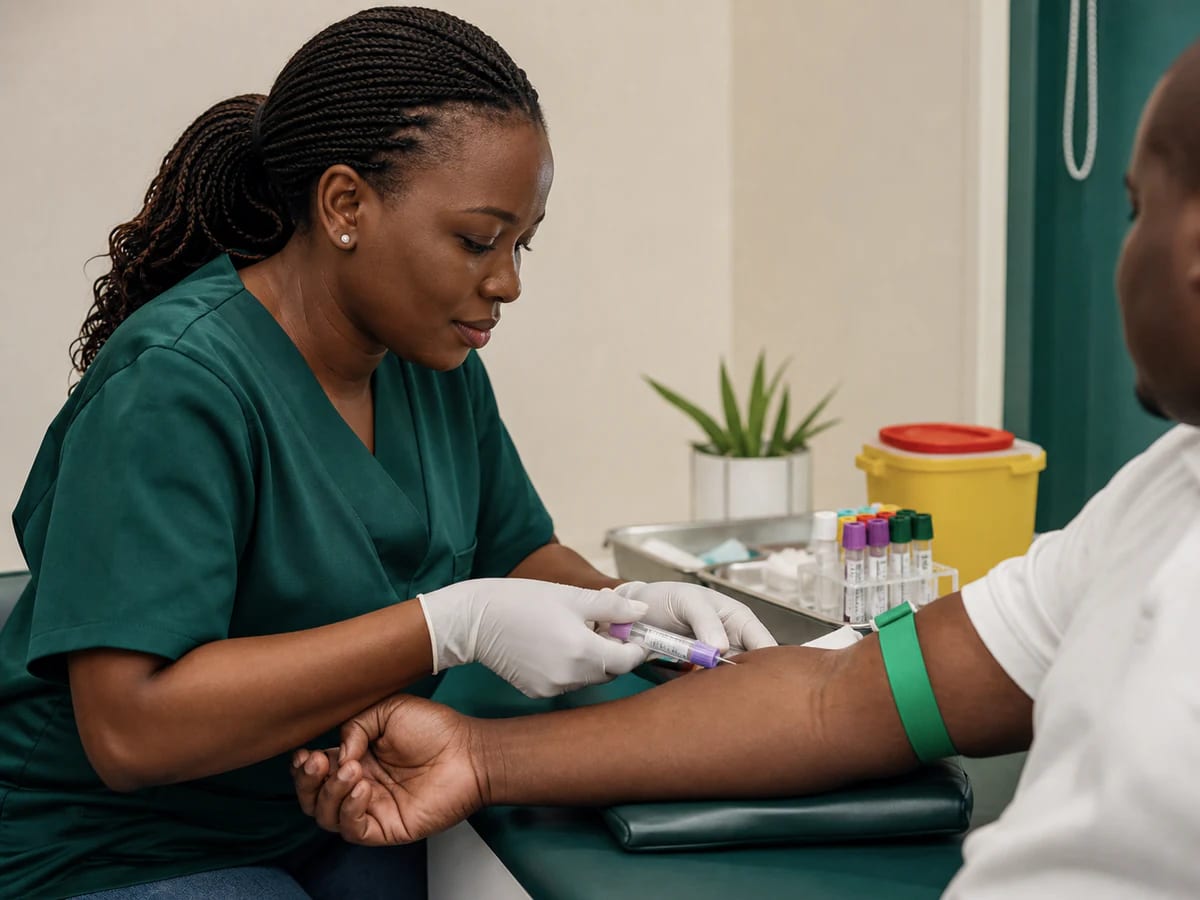
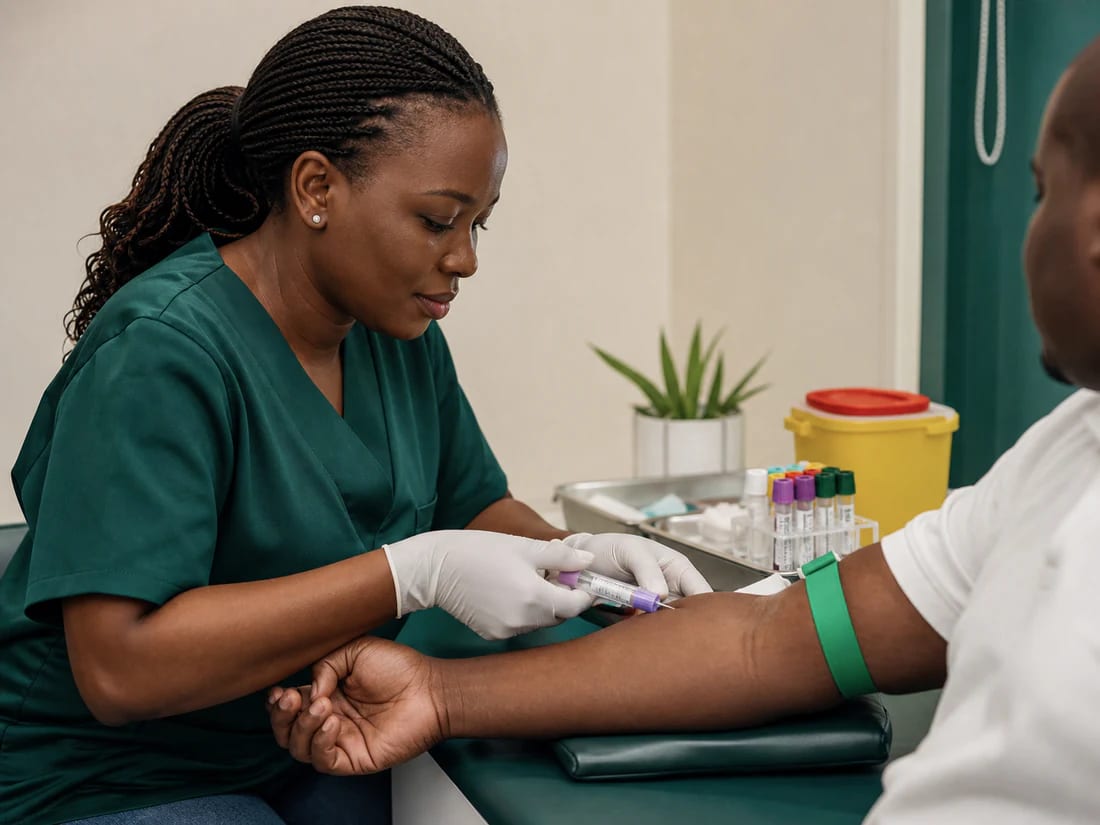
A phlebotomist taking a blood sample from a patient
Fasting advice givenResults explainedRecords retainedRepeat tests avoided

Questions

About tests and results

Practical answers on fasting, timing, scans, results from elsewhere and home collection.

  • Yes, for screening and wellness panels you can come directly. For anything investigating a symptom we would rather a clinician saw you first - it stops you paying for the wrong test and missing the right one.

A result on its own is not a diagnosis

Reference ranges are population averages, not verdicts on an individual. If you have a result you do not understand, book a consultation and have it interpreted against your own history rather than searching for it online.

Find out what is actually going on

Book a screening panel, bring us a result you do not understand, or let a specialist decide which investigations are worth doing.